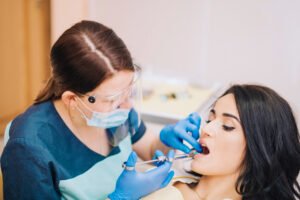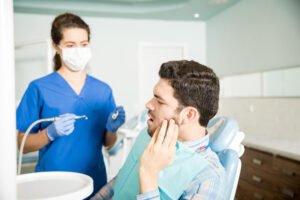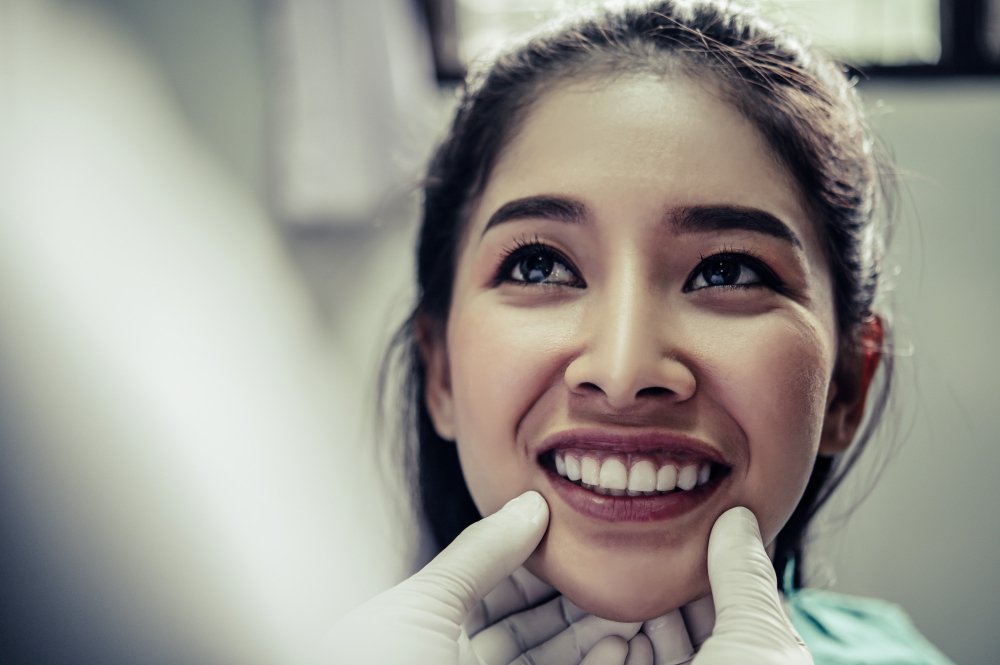
Full Mouth Reconstruction is not just a cosmetic dental procedure, but a restorative procedure, a complete overhaul of oral functionality that is aimed at restoration. Daily activities such as proper food chewing and speaking well are strenuous when teeth are worn, missing, misaligned, or damaged.
At our clinic, we frequently suggest full mouth reconstruction to patients who complain of jaw discomfort, unclear speech, or difficulty eating balanced meals. Clinical research indicates that restoring bite alignment can enhance chewing efficiency by more than 60%, thereby directly affecting digestion and nutrition.
How Full Mouth Reconstruction Restores Proper Bite Function
A compromised bite affects how teeth meet and how pressure is distributed. Full Mouth Reconstruction corrects this by restoring the height, alignment, and balance of the teeth with crowns, bridges, and veneers. With an even distribution of bite force, patients experience less jaw strain and greater chewing control.
Studies show that patients undergoing full-mouth reconstruction experience less jaw fatigue and reduced muscle tension within a few months after treatment. In our clinic, Full Mouth Reconstruction plans are tailored to ensure that the teeth, jaw joints, and facial muscles work together harmoniously and functionally.
Impact of Full Mouth Reconstruction on Speech Clarity
The speech relies on tongue position and tooth shape. Missing or uneven teeth may result in a lisp, slurred words, or an inability to say some sounds. Full Mouth Reconstruction restores natural lines needed for clear articulation.
Studies in dental care show that almost 70% of patients with structural dental issues respond positively to restoring the anterior tooth position, which improves articulation. The patients are often more comfortable with the talk when their oral structure is replenished.
In addition to the improved pronunciation, the patients are likely to have reduced strain when speaking at length. Teeth positioning assists in obtaining natural airflow and tongue mobility, and prevents compensatory habits that would cause discomfort or vocal strain. The speech may become easier and more normal in the long run, and this is achieved through oral stability maintenance.
Long-Term Functional and Health Benefits
Beyond chewing and speech, full mouth reconstruction supports long-term oral health. Proper alignment reduces uneven wear, lowers the risk of TMJ disorders, and minimizes future dental complications. According to the American College of Prosthodontists, full-arch restorative treatments significantly improve oral stability and longevity of dental work. Our full mouth reconstruction process focuses on durability, comfort, and natural aesthetics to deliver lasting results.
By addressing both structural and functional concerns at once, treatment helps protect surrounding teeth and restorations from premature failure. A stable bite also supports healthier jaw movement, contributing to greater comfort and reducing the need for repeated corrective dental procedures.
This comprehensive approach also improves long-term comfort, preserves jaw health, and promotes balanced oral function as patients age.
Why Personalization Matters in Full Mouth Reconstruction
The degree of customization of the treatment planning process is one of the most crucial factors in determining the outcomes of full-mouth reconstruction in chewing and speech. Unlike single-tooth restorations, this process considers the entire oral system before any work is undertaken. Every patient’s mouth functions differently, and a one-size-fits-all approach does not work for complex restorative cases.
When dentists are planning, they pay close attention to bite alignment, jaw motion, facial shape, and speech patterns. Advanced diagnostics, such as digital scans, bite analysis, and smile design software, enable the dental team to understand how restorations will function before even placing them. This guarantees that crowns, bridges, or implants are not only pleasing to the eye but also located so they do not become an obstacle to natural chewing patterns or clear speech.
Individualized planning also helps avoid future complications. Restorations planned based on a patient’s natural bite force and jaw action are less likely to chip, exhibit uneven wear, or cause muscle tension. Patients typically say they adapt more quickly to their new teeth because the restorations feel more natural and intuitive in their daily routines, such as eating and speaking.
Conclusion
Full Mouth Reconstruction makes more than smiles; it mends vital everyday operations. This treatment improves quality of life by correcting bite alignment, improving speech clarity, and enhancing chewing efficiency.
The Nova Dental Studio takes a comprehensive, patient-centered approach to full mouth reconstruction, where every restoration aims to support both function and confidence. If you are experiencing discomfort in your mouth or speech difficulties, full mouth reconstruction can help restore balance.