Why Do My Gums Bleed When I Brush? Common Causes and What to Do
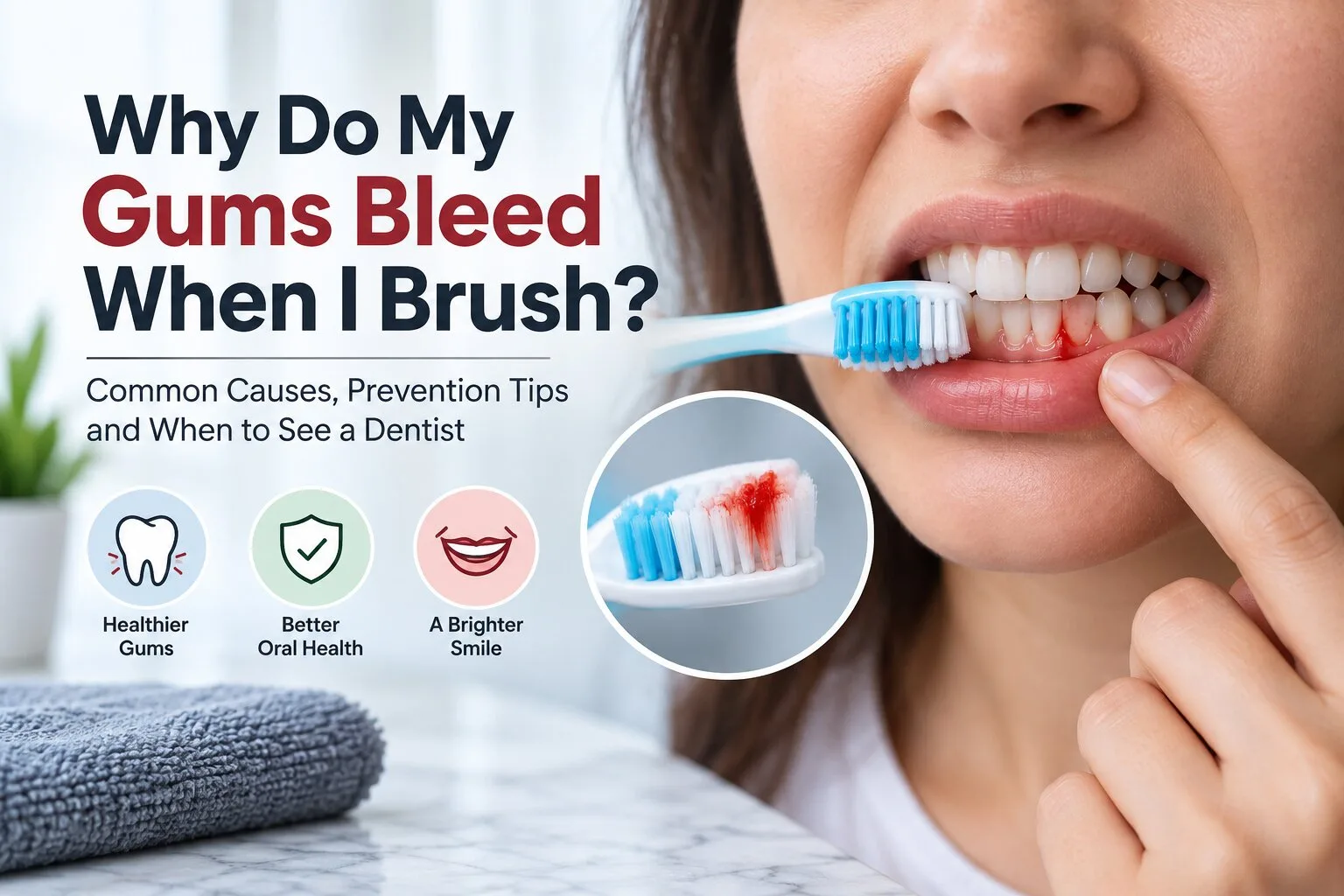
Spotting
blood in the sink after brushing can be alarming, especially if it catches you
off guard. Maybe it happened once and disappeared just as quickly. Maybe it's
been showing up more often lately. Either way, it's worth paying attention to.
Occasional
bleeding can stem from something as simple as brushing too hard or flossing
after a long break. But when bleeding gums become a regular occurrence, they're
often a signal that something else is going on beneath the surface. Your gums
play a bigger role in your oral health than most people realize, and consistent
bleeding shouldn't be brushed aside (pun intended).
If
you're dealing with bleeding gums in Falls Church and aren't sure what's
causing it, this guide breaks down the most common culprits and what steps to
take next. And if the bleeding keeps happening, it may be time to schedule a
dental examination to get to the root of the issue.
Is It Normal for Gums to Bleed When Brushing?
In
short, no. Healthy gums typically don't bleed during routine brushing or
flossing. A single incident, perhaps after brushing more vigorously than usual,
isn't usually cause for concern. But if bleeding keeps happening, that's a
different story.
Recurring
bleeding often comes with other symptoms, including:
·
Red or swollen gums
·
Tenderness when touched
·
Bad breath that doesn't go away
·
Gum sensitivity
·
Gums that appear to be pulling away from the
teeth
Identifying
what's behind the bleeding matters because the underlying cause determines the
right course of action. Some issues can be resolved with better home care,
while others require professional treatment before they progress.
Common Causes of Bleeding Gums
Plaque Buildup and Gingivitis
Plaque
is a sticky film of bacteria that builds up along the gumline. When it's not
removed through regular brushing and flossing, it can irritate gum tissue and
lead to gingivitis, an early stage of gum disease. Gingivitis is one of the
most frequent reasons behind bleeding gums, and the good news is that it often
responds well to professional cleanings paired with improved daily oral
hygiene.
Brushing Too Hard
More
pressure doesn't mean cleaner teeth. Aggressive brushing can actually irritate
and damage delicate gum tissue, leading to bleeding over time. Using a
soft-bristled toothbrush and a gentle circular motion can protect your gums
while still keeping your teeth clean.
Inconsistent Flossing
If
flossing isn't part of your daily routine, plaque and food particles can build
up between teeth where a toothbrush can't reach. When you do floss after a
period of inconsistency, it's common for gums to bleed at first. Rather than
avoiding floss altogether, try flossing gently and consistently every day. The
bleeding typically subsides as your gum health improves.
More Advanced Gum Disease
Persistent
bleeding can sometimes point to periodontal disease, a more advanced form of
gum infection. This doesn't mean every instance of bleeding gums signals a
serious problem, but ongoing symptoms like swollen gums, bad breath, gum
recession, or loose teeth warrant a closer look from a dental professional.
Other Possible Factors
A
handful of other factors can also contribute to bleeding gums, including:
·
Poor oral hygiene habits
·
Ill-fitting dentures, retainers, or other dental
appliances
·
Certain medications, including blood thinners
·
Hormonal changes, such as those during pregnancy
·
Smoking or tobacco use
·
Underlying medical conditions, such as diabetes
Signs Your Bleeding Gums May Need Professional Attention
While
minor, occasional bleeding may not be an emergency, certain signs suggest it's
time to schedule a dental appointment. Keep an eye out for:
·
Bleeding that continues or occurs frequently
·
Swollen, red, or painful gums
·
Persistent bad breath
·
Gums that appear to be receding
·
Pus around the gumline
·
Loose or shifting teeth
·
Changes in how your teeth fit together when you
bite
·
Noticeable swelling in the mouth
NOVA
Dental Studio provides general dentistry and preventive dental care for
patients in Falls Church experiencing these symptoms, helping identify the
cause before it becomes a bigger concern.
How Can I Prevent My Gums From Bleeding?
Good
news: many causes of bleeding gums can be addressed with consistent at-home
care. Consider the following habits:
·
Brush twice daily with fluoride toothpaste
·
Use a soft-bristled toothbrush
·
Brush gently along the gumline, rather than
scrubbing
·
Floss or clean between teeth once a day
·
Replace your toothbrush every three to four
months
·
Limit frequent sugary foods and drinks
·
Avoid tobacco products
·
Keep up with regular dental checkups and
professional cleanings
Home
care and professional dental visits work hand in hand. Even the best brushing
routine can't replace the plaque and tartar removal that only a professional
cleaning provides.
What Happens During a Dental Visit for Bleeding Gums?
If
you're nervous about seeing a dentist, know that evaluating bleeding gums is
usually a straightforward process. Here's generally what to expect:
1. A
review of your dental and medical history
2. An
examination of your teeth and gums
3. An
assessment for plaque, tartar buildup, inflammation, gum recession, or signs of
periodontal disease
4. Dental
X-rays, if clinically appropriate
5. A
professional cleaning or other treatment, if needed
6. Personalized
recommendations to improve your oral hygiene routine at home
This
process helps pinpoint exactly what's causing the bleeding, so you can address
it with confidence rather than guesswork.
Why Choose NOVA Dental Studio for Bleeding Gums in Falls Church?
NOVA
Dental Studio is a dental practice serving patients in Falls Church, Virginia,
offering general and cosmetic dentistry services. Led by Michael J. Paesani,
DMD, the practice focuses on detailed, patient-centered care for patients of
all ages. Services include preventive and general dentistry, dental cleanings,
fillings, crowns, root canal therapy, implants, veneers, Invisalign, and other
treatments.
If
you're concerned about bleeding gums, the team at NOVA Dental Studio can
evaluate your symptoms and help determine whether they're related to plaque
buildup, gingivitis, periodontal concerns, or something else entirely. The
office is conveniently located at 200 Little Falls St #101, Falls Church, VA
22046.
Don't
wait for the bleeding to go away on its own. Schedule an evaluation to get
answers and a personalized plan for healthier gums.
Don't Ignore the Signs
Bleeding
gums shouldn't simply be written off as normal, especially when it happens
regularly. Brushing gently, flossing consistently, and keeping up with professional
cleanings all go a long way toward maintaining healthy gums. But when bleeding
persists, a dental evaluation is the best way to understand what's really going
on.
If
you're experiencing bleeding gums when brushing or flossing, schedule an
appointment with NOVA Dental Studio in Falls Church to discuss your symptoms
and oral health needs.
FAQs About Bleeding Gums
Why do my gums bleed when I
brush?
Bleeding gums during brushing are often caused by plaque buildup, gingivitis,
brushing too aggressively, or inconsistent flossing. Less commonly, it can be
linked to more advanced gum disease or other health factors.
Should I stop brushing if my
gums bleed?
No. Continue brushing gently with a soft-bristled toothbrush. Avoiding brushing
can allow plaque to build up further, potentially making the bleeding worse
over time.
Can gingivitis cause
bleeding gums?
Yes. Gingivitis is one of the most common causes of bleeding gums. It's an
early stage of gum disease caused by plaque buildup, and it often improves with
better oral hygiene and professional cleanings.
How can I stop my gums from
bleeding?
Brushing gently with a soft-bristled toothbrush, flossing daily, and keeping up
with routine dental checkups can help reduce and prevent bleeding gums over
time.
When should I see a dentist for bleeding gums?
If bleeding is frequent, persistent, or accompanied by symptoms like swelling,
bad breath, or loose teeth, it's time to schedule a dental appointment to
identify the underlying cause.